

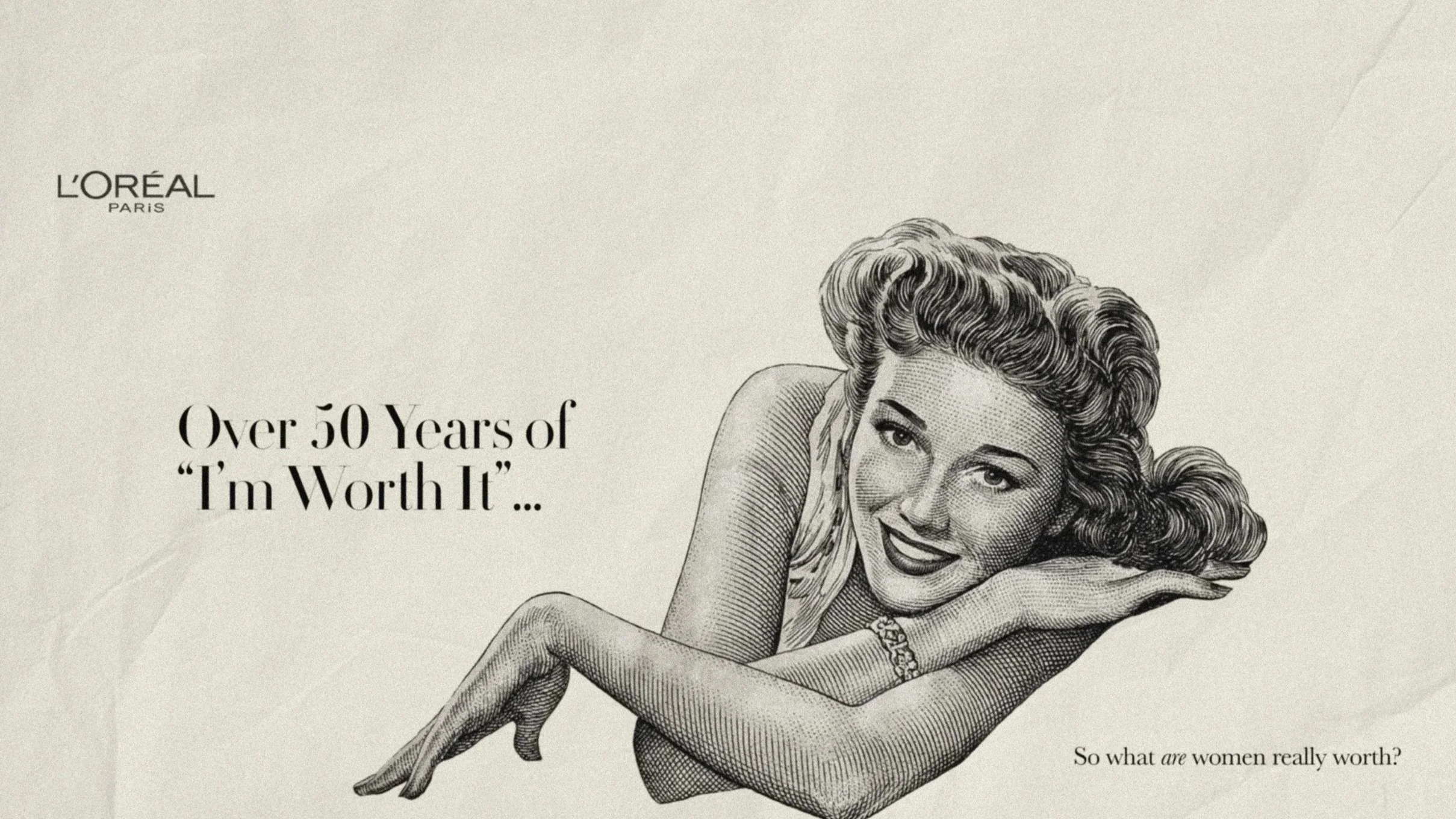
The Mental Load.
The invisible work of planning, remembering, organizing, and managing everyday life.
Women carry 71% of it in American households.
So what could L'Oréal do about it?
Pay them back.
-
Reignite L'Oréal’s iconic tagline, “I’m Worth It”, for women in 2026.
A relentless search for contemporary feminine insight ensued.
-
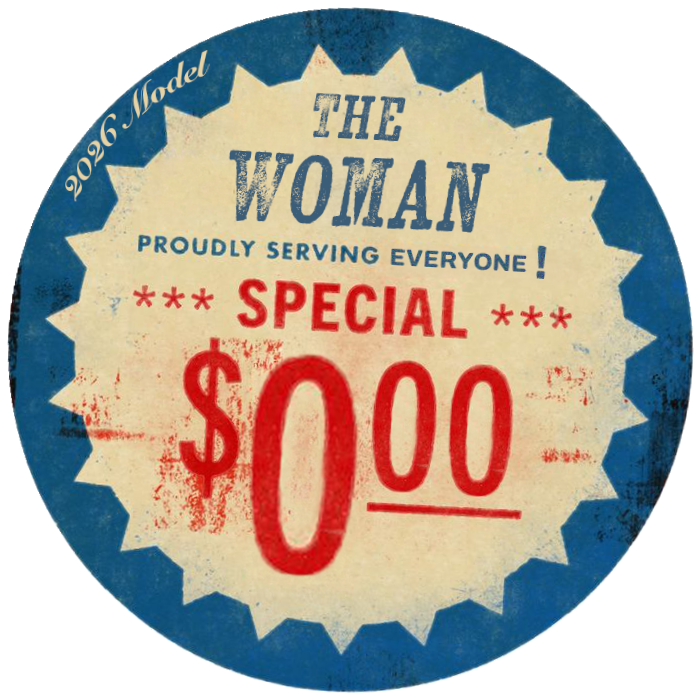
At the tagline’s inception in 1971, the role of homemaker was well defined. In 2026, this role is still expected of women; now alongside the expectation of advancing professionally at the same pace as their male counterparts.
Women in 2026 are facing many of the same barriers as women in the 70s, now upgraded to include the demands of modern life.
-
We found that women carry 71% of the mental load in American households: the invisible work of planning, remembering, organizing, and managing everyday life. This work goes largely unrecognized and uncompensated.
The pursuit of a solution that might do this insight justice followed.
-
How do you confront a phenomenon so deeply embedded in American culture?
Free shampoo? An infographic on self-care? That wouldn’t suffice. Bringing this tension to the world stage meant asking for big changes. Questioning a mindset engrained in generations would require people to re-examine their daily routines, household dynamics; habits and expectations as partners, bosses, fathers, and mothers.
We realized that only systemic change could meet the scale of the problem. What’s missing isn’t awareness, it’s recognition: institutional acknowledgment that this labor is real, and it deserves to be formally quantified and compensated.
As the world’s largest beauty company, generating over $45 billion in revenue, L’Oréal has the influence to move beyond messaging and into policy. But to build policy, we first had to confront the values that the American wealth system was built upon. What types of labor do we formally assign value to?
What we found was this: there are currently no federal policies that directly compensate unpaid domestic work. A labor with no formally assigned value or classification, the mental load remains unrecognized by the very systems that depend on it.
-
A Bill of Worth: a legislative proposal granting tax credits to working mothers for unpaid domestic labor.
Eligible women can claim hours spent on essential household labor including caregiving, planning, and day-to-day management as part of their annual tax filings; transforming invisible labor into something quantifiable and compensable.
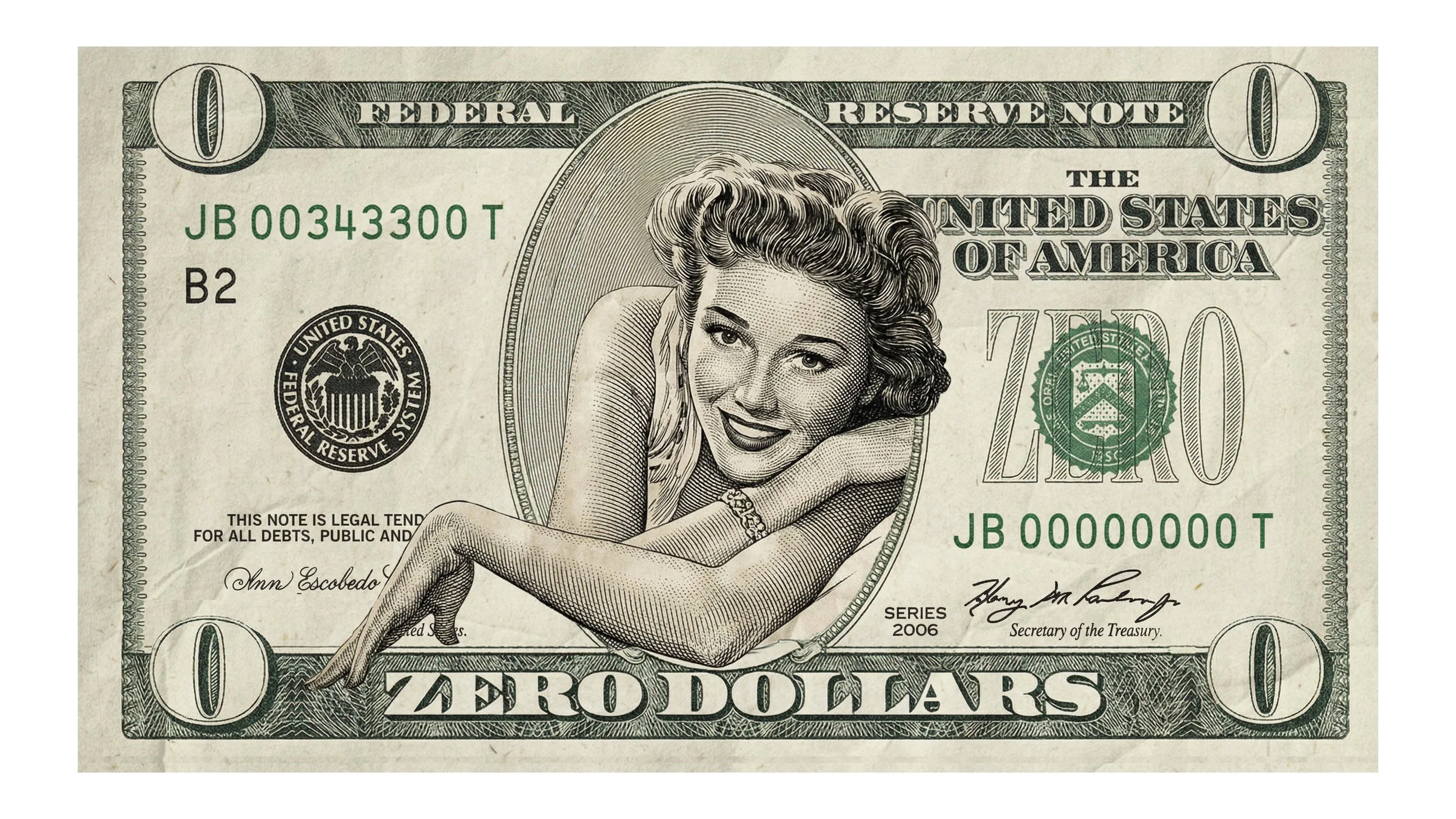
To bring our policy to the public, we created a visual system that went beyond a jarring symbol. By placing women on currency and assigning them a value of zero, the campaign asks its audience for introspection:
What is women’s labor truly worth?
Because money talks. And in 2026, it’s saying something long overdue: women are worth it. Every penny.
We started by stylizing our bills to pay homage to L'Oréal’s original tagline, written in 1971.
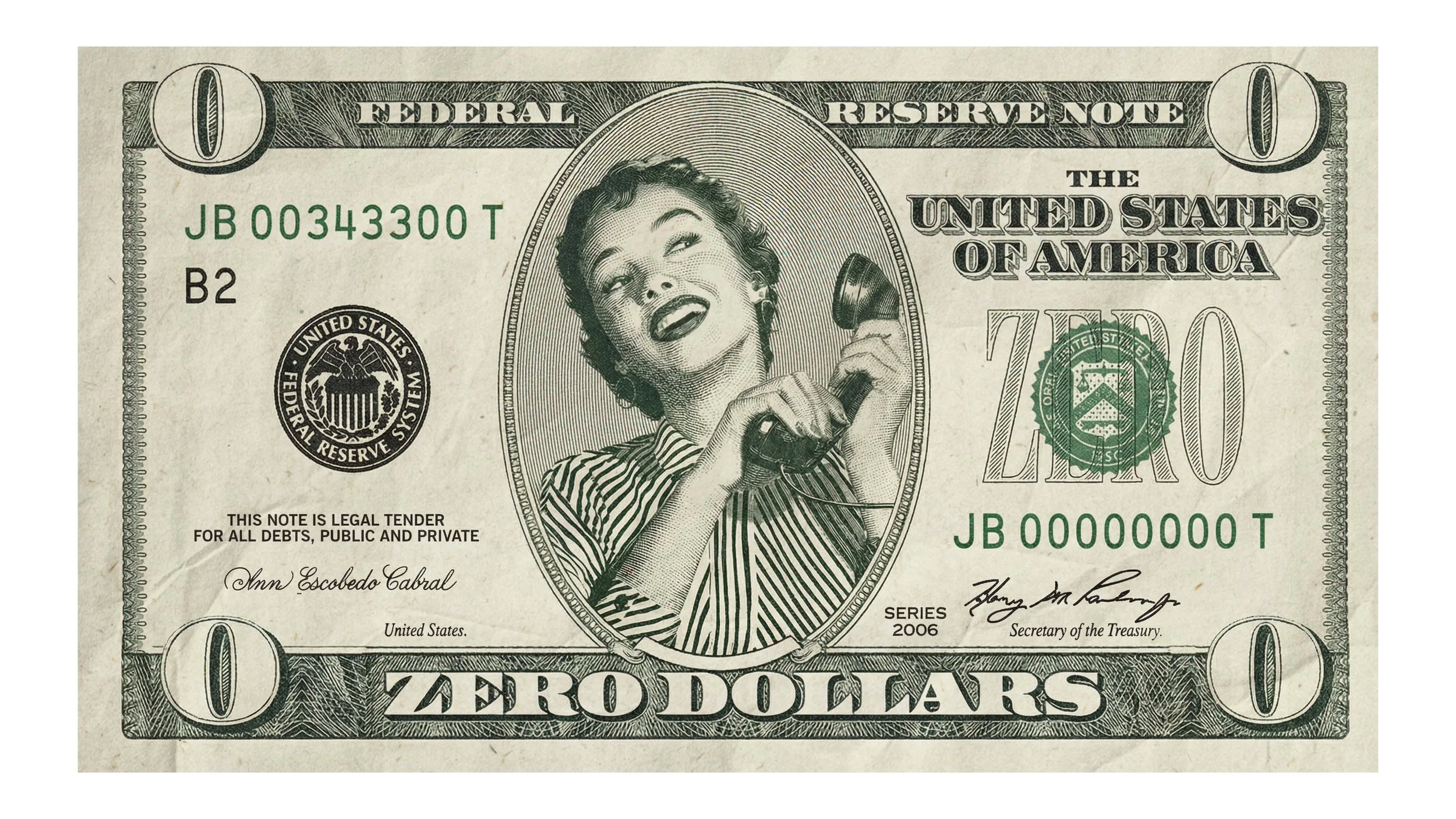
Things have changed a bit since then…
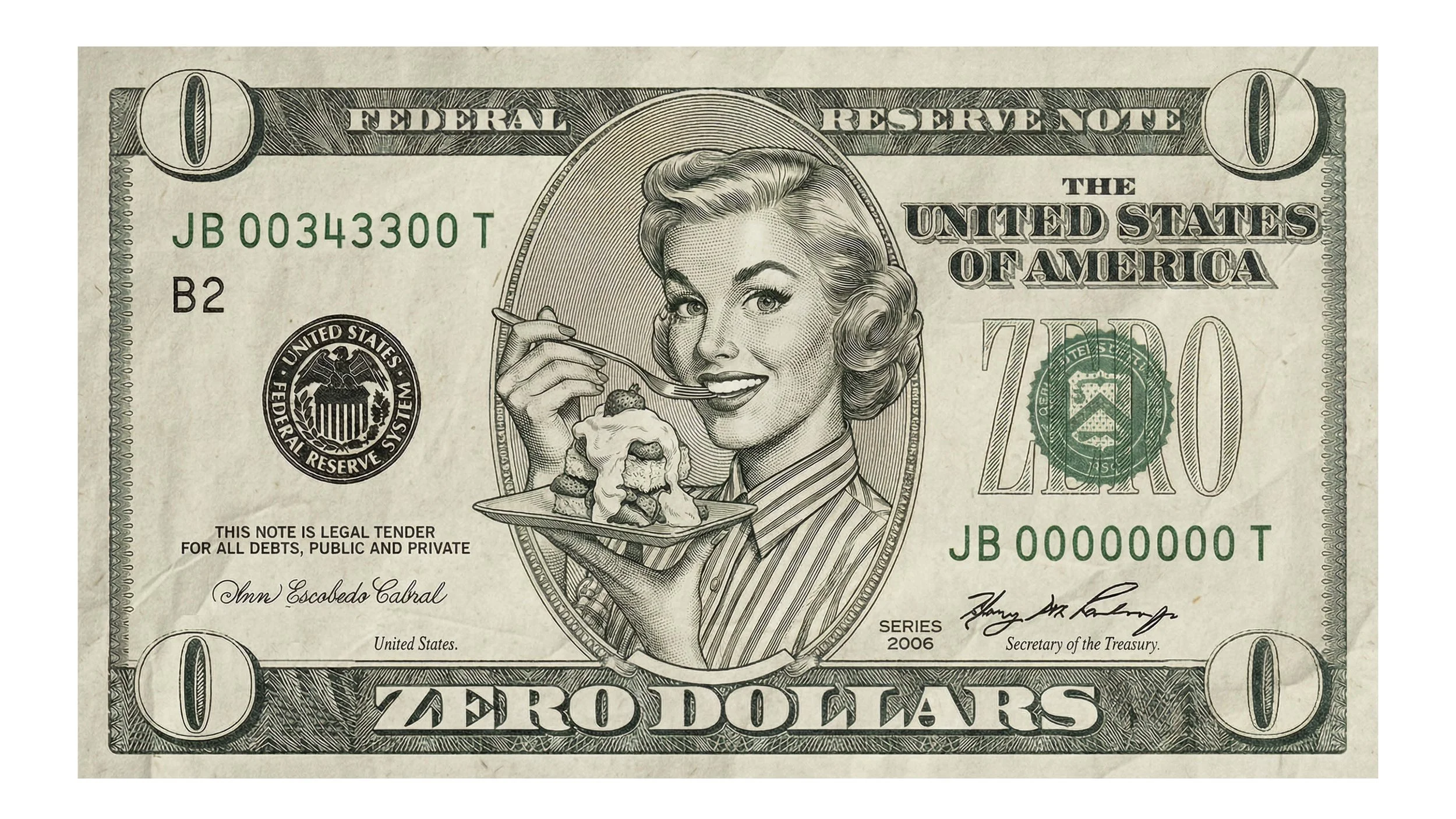
Women are working harder than ever!
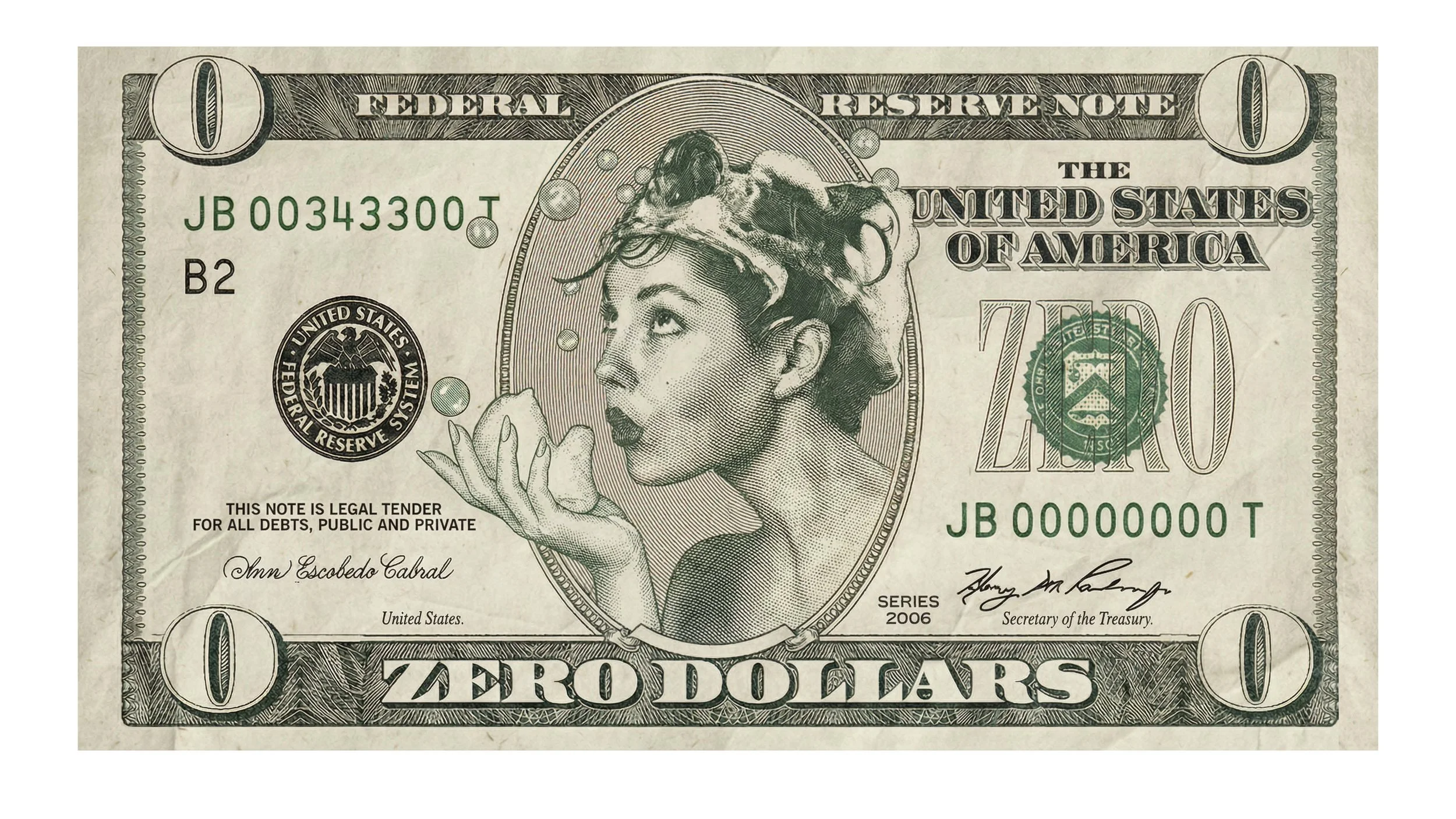
Advancing professionally at the same pace as their male counterparts…
But…
their role inside the home hasn’t gotten any lighter.
We dropped our Zero Dollar Bill ads to get people to talk about it.
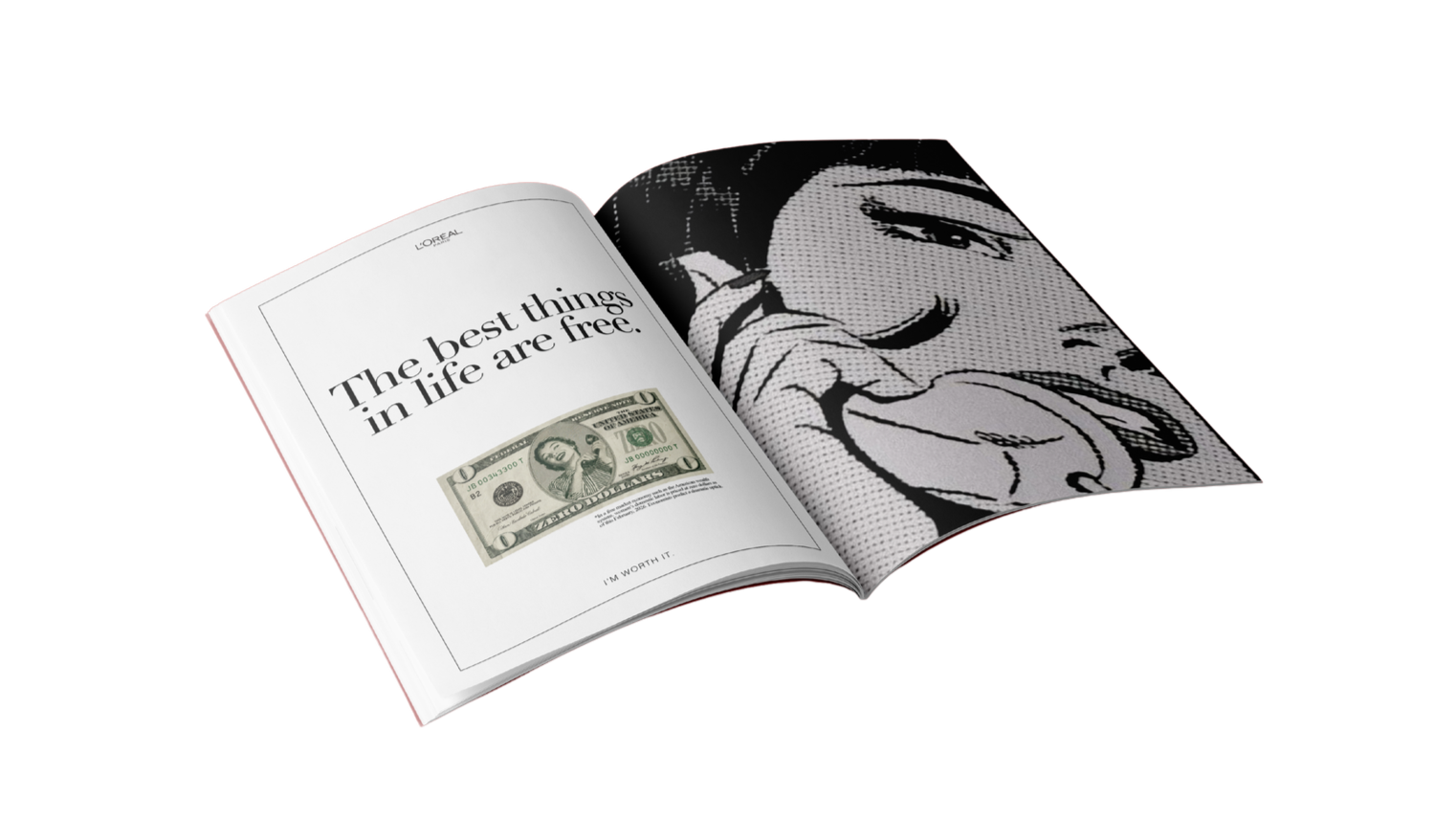
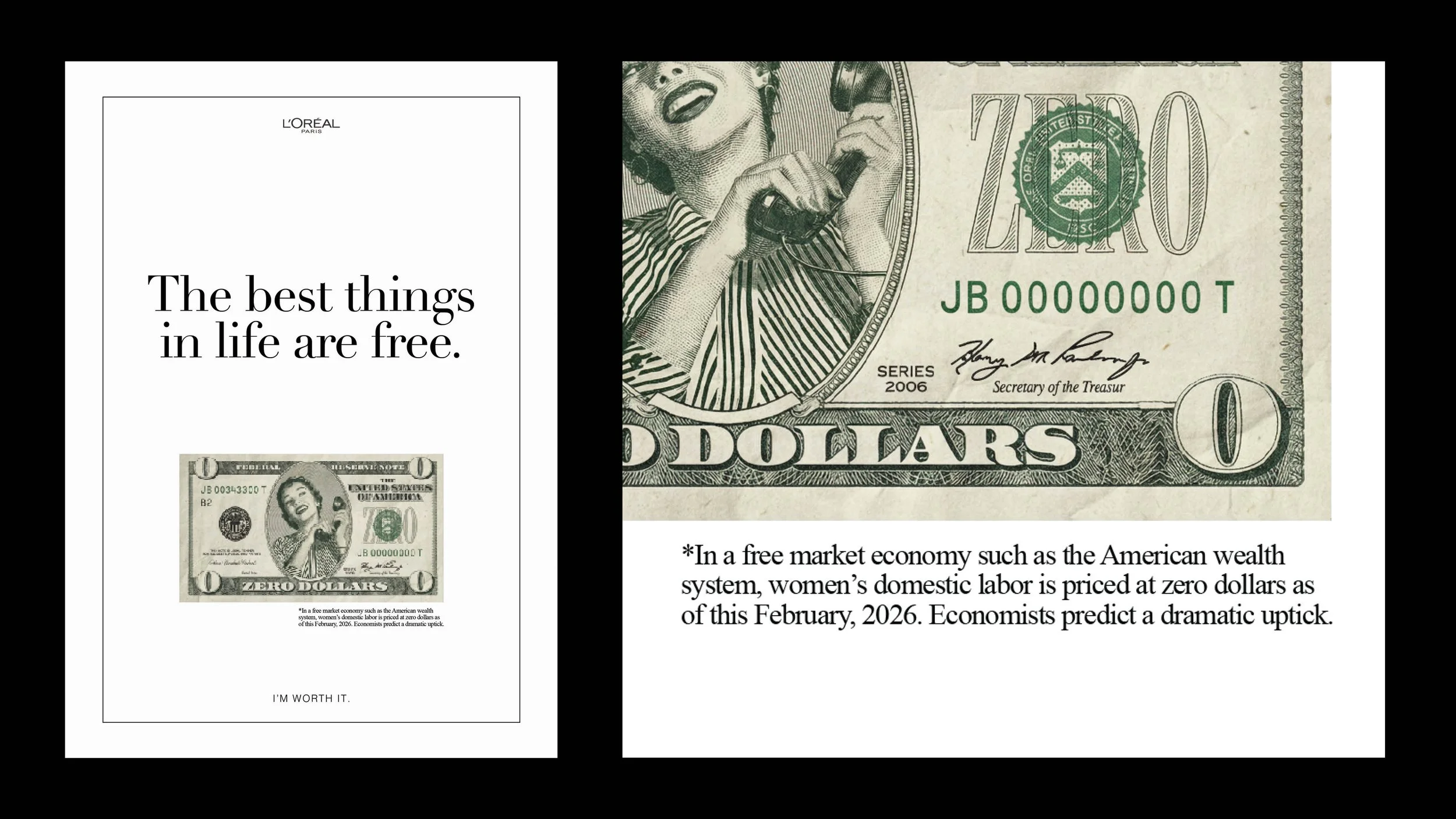
“Wait… there’s a woman on the U.S. Dollar?!”
“But it’s worth zero?”
“WTF L'Oréal!”
“L'Oréal is saying women are worth nothing???”
“Is L'Oréal calling women worthless?”
“That’s pretty messed up.”
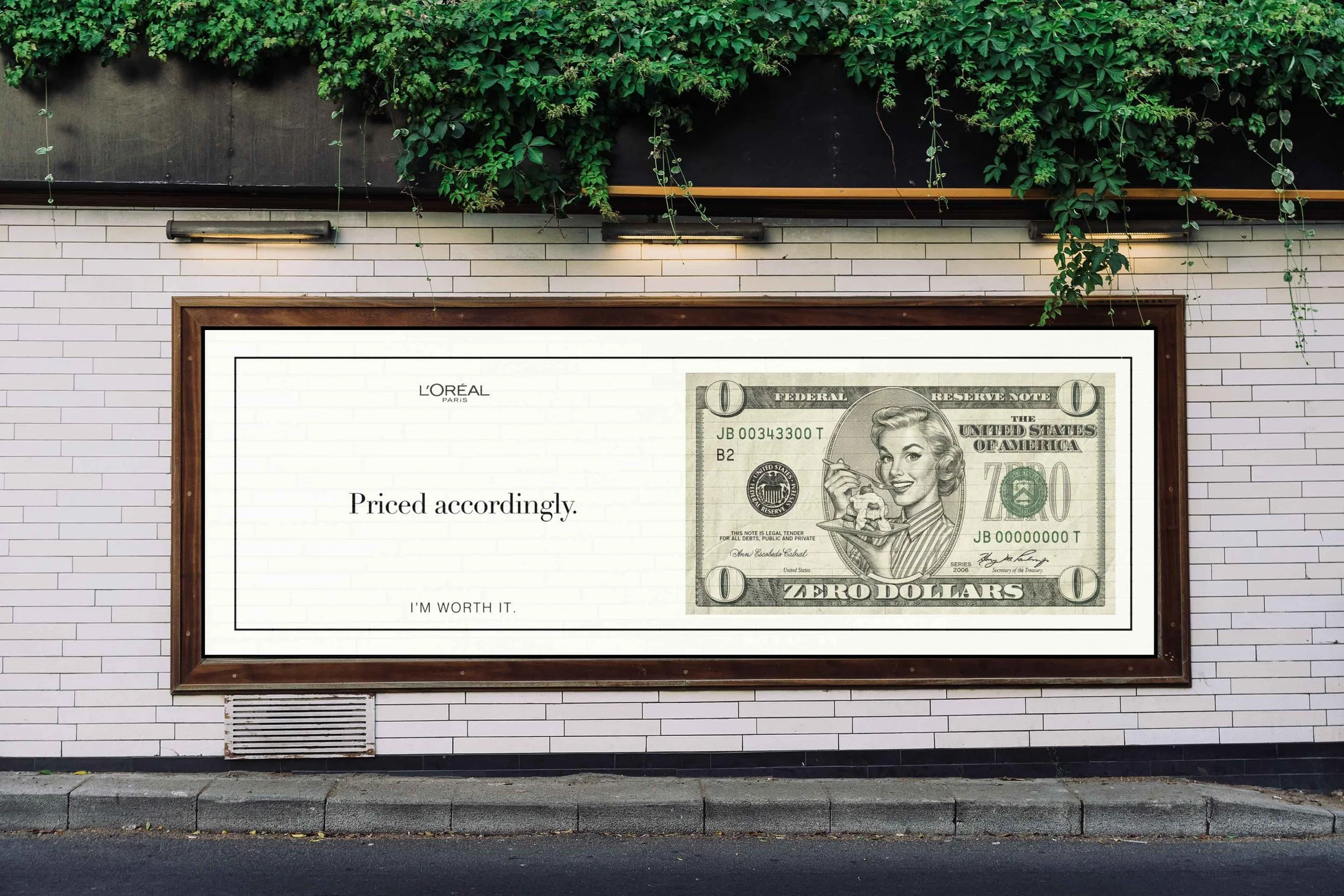
OOH
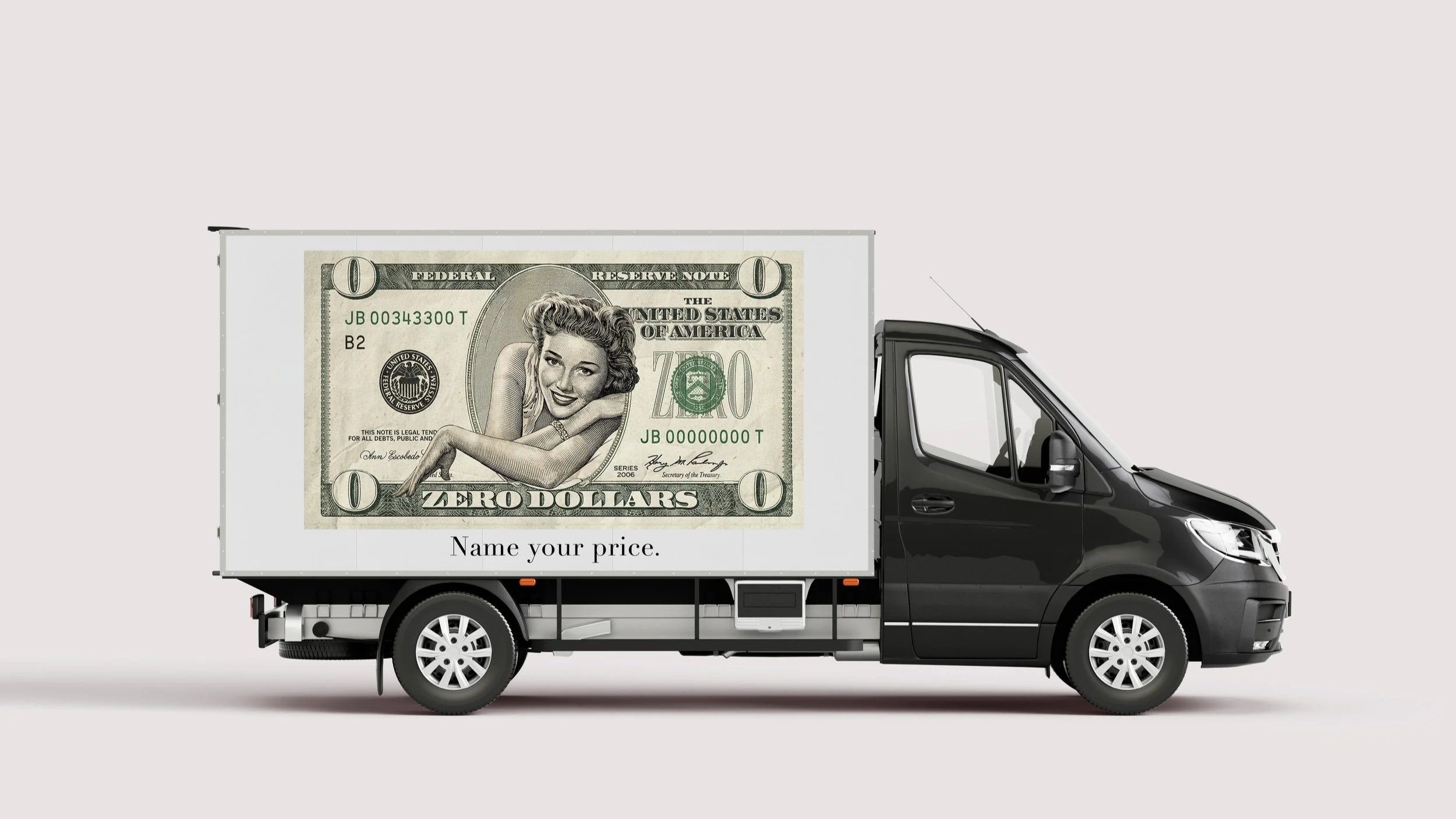
But as the world’s largest beauty company, L’Oréal couldn’t stop there.
So we made our bill into a real bill. That we took to Congress.

A Bill of Worth.
A legislative proposal granting tax credits to working mothers for unpaid domestic labor.
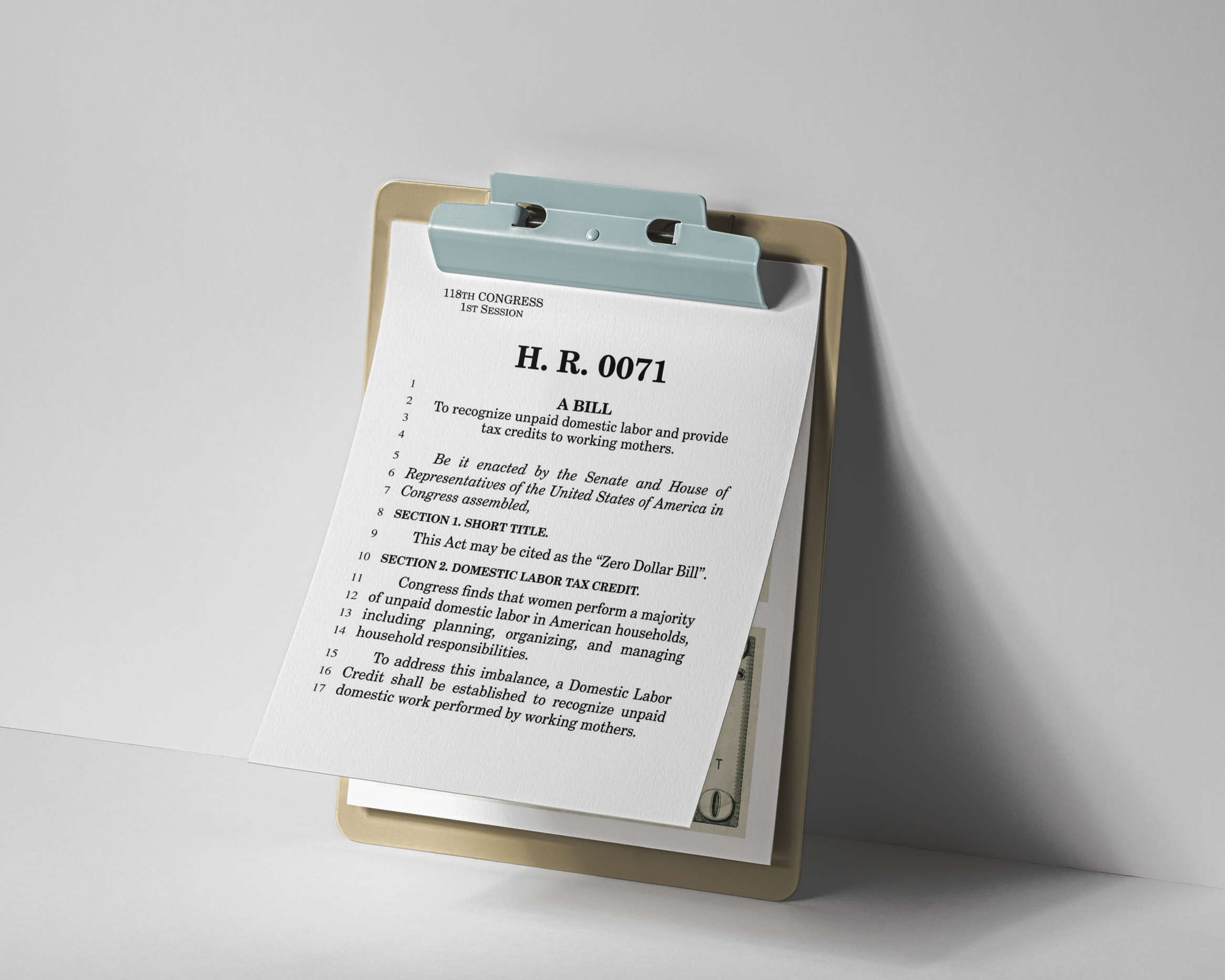
Eligible women can claim hours spent on essential household labor including caregiving, planning, and day-to-day management as part of their annual tax filings; transforming invisible labor into something quantifiable and compensable.
Because money talks.
And in 2026, it’s saying something long overdue:
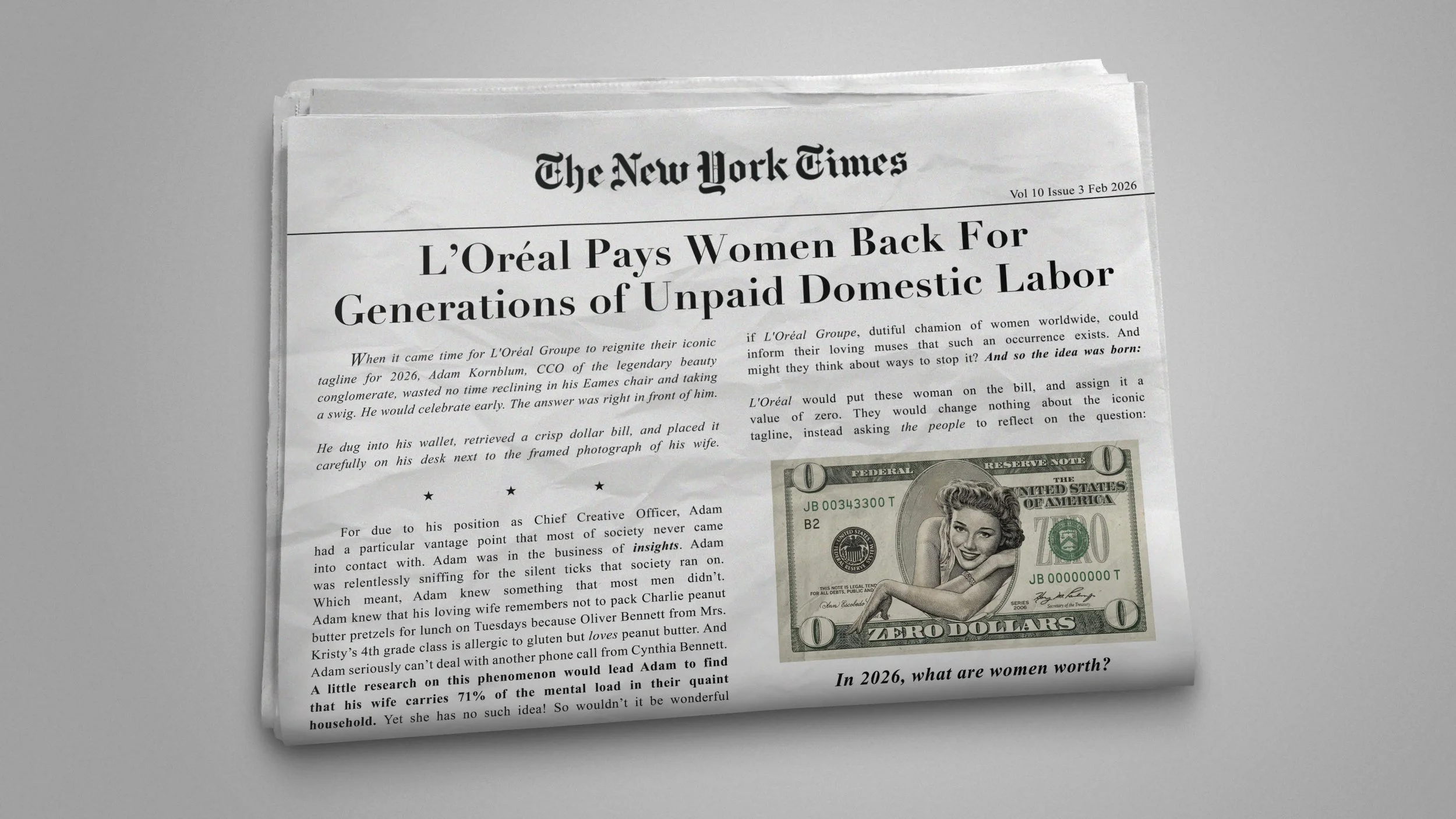
Women are worth it. Every penny.
MADE BY
art director, copywriter | Matilda Madfis
copywriter, video editor | Saige Zervos